
Presence & Sensation
Presence and Sensation: Reconnecting With the Body in a Distracted World
In a world filled with constant notifications, deadlines, and mental noise, many people spend most of their time living in their heads—thinking, planning, and reacting—rather than truly being. Presence and sensation offer a powerful pathway back to the body, helping restore balance, calm the nervous system, and deepen overall well-being.
Understanding how presence and sensation work together can transform everyday moments into opportunities for grounding, regulation, and self-connection.
What Does “Presence” Really Mean?
Presence is the ability to remain fully engaged in the current moment without judgment. It’s not about clearing your mind or forcing calm—it’s about noticing what’s already happening right now.
When you’re present, your attention shifts away from rumination about the past or worry about the future and settles into immediate experience: your breath, posture, temperature, and internal sensations.
Presence is a skill that can be cultivated, not a personality trait. The more often it’s practiced, the easier it becomes to access—especially during moments of stress or overwhelm.
Sensation: The Body’s Language
Sensation refers to the physical signals your body constantly sends—pressure, warmth, vibration, tension, softness, or movement. These sensations are always present, even if we’re not paying attention to them.
The body communicates through sensation long before thoughts form. Tight shoulders may signal stress. A slow exhale may bring relief. A gentle sensory input can signal safety to the nervous system.
By tuning into sensation, you create a direct line of communication with your body—one that bypasses overthinking and reconnects you with embodied awareness.
Why Presence and Sensation Are So Closely Linked
Presence and sensation are inseparable. You can’t fully experience sensation without being present, and presence is often anchored through sensation.
Focusing on physical sensations helps ground attention in the here and now. This grounding effect is especially important for nervous system regulation. When the body perceives safety through gentle, predictable sensations, it can shift out of fight-or-flight and into a more relaxed, restorative state.
This is why many wellness practices—such as breathwork, yoga, somatic therapy, and mindful touch—emphasize sensation rather than analysis.
The Role of Sensory Awareness in Nervous System Regulation
The nervous system responds to sensory input constantly. Slow, rhythmic, and intentional sensations can activate the parasympathetic nervous system—the branch responsible for rest, digestion, and recovery.
Examples of sensory cues that support regulation include:
- Deep, steady breathing felt in the chest or abdomen
- Gentle pressure or vibration
- Warmth or soft textures
- Slow, intentional movement
These sensations send signals of safety to the brain, helping reduce cortisol levels and promote relaxation.
Importantly, sensory awareness does not require intense stimulation. In fact, subtle and consistent sensations are often more effective for fostering calm and presence.
Cultivating Presence Through Everyday Sensations
Presence doesn’t require long meditation sessions or special equipment. It can be woven into daily life through small moments of awareness.
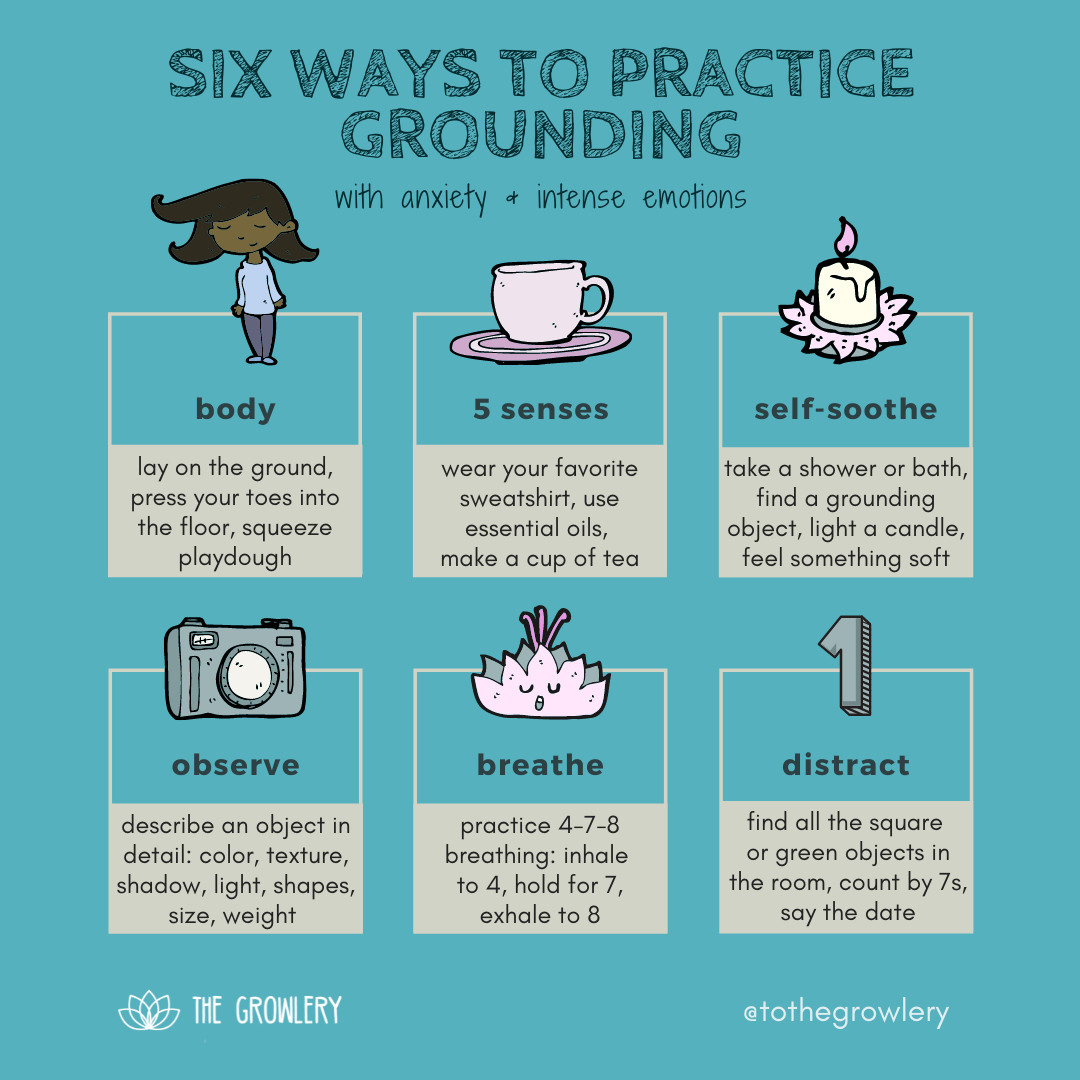
Try these simple practices:
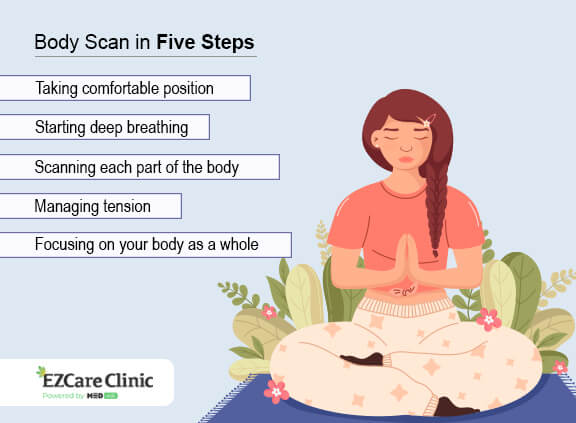
Body Scan Check-In
Pause and notice where your body feels supported—your feet on the floor, your back against a chair, or your breath moving in and out.
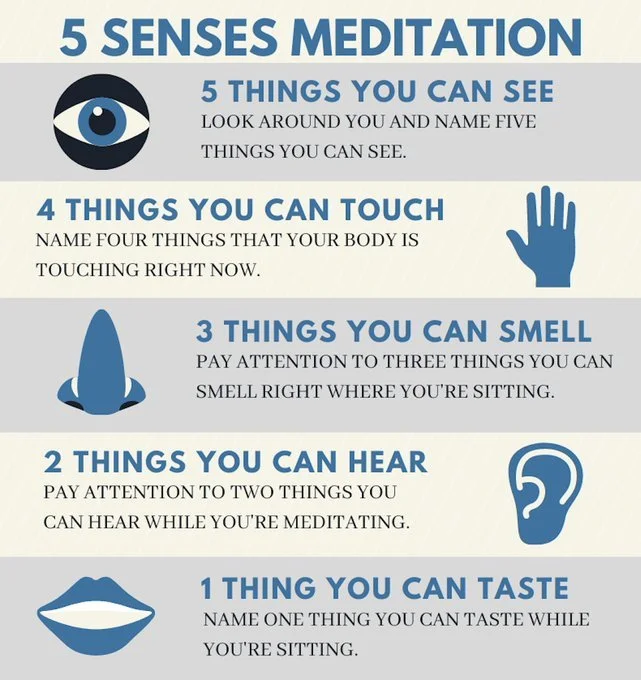
Single-Sense Focus
Choose one sense and explore it for 30 seconds. Notice temperature on your skin, ambient sounds, or the rhythm of your breath.
Slow Sensory Rituals
Turn routine moments—stretching, bathing, or resting—into intentional sensory experiences by slowing down and paying attention to physical sensations.
These micro-moments of presence can accumulate, gradually retraining the nervous system to feel safer and more grounded.
Presence, Sensation, and Modern Wellness
Modern wellness increasingly recognizes that healing and balance are not just cognitive processes—they’re embodied ones. Tools and practices designed with sensory regulation in mind focus on comfort, predictability, and bodily awareness rather than performance or intensity.
This shift reflects a broader understanding: when people feel safe and present in their bodies, emotional resilience and mental clarity naturally follow.
Why This Matters More Than Ever
Chronic stress disconnects people from their bodies. Presence and sensation offer a way back—not through force, but through gentle attention.
By learning to notice sensation and cultivate presence, you build a sustainable foundation for self-regulation, emotional balance, and long-term well-being.
Presence isn’t something you achieve—it’s something you return to, again and again, through sensation.